Why care?
The act of giving and receiving care remains the highest and the best expression of what it mans to be human, yet we have not built our systems, policies, economy, and culture to support it.



Close
The act of giving and receiving care remains the highest and the best expression of what it mans to be human, yet we have not built our systems, policies, economy, and culture to support it.

Yet, as a society, we don’t view caregiving as productive, legitimate economic activity. When we think of the economy, we have all kinds of associations – Wall Street, manufacturing, stock market, retail, agriculture. But this is just the tip of the iceberg, and there is a vast expanse of invisible economic care activity beneath the surface. Additionally, our culture has a long history of telling ourselves a story about “personal responsibility”, treating caregiving as something to be privately shouldered by families and individuals alone. If we can’t make it work, it’s treated as a personal failure.
When you put all of this together, it becomes alarmingly clear: the people who need care can’t afford it, the people who provide care can’t afford to work in it — and our economy and culture suffer as a result. However, given our current demographic boom, we can no longer ignore the coming care crisis. Every day, 10,000 babies are born, and 10,000 of us turn 65. We’re living longer than ever, thanks to advances in medicine and technology; by 2060, nearly a quarter of all Americans will be 65 or older.

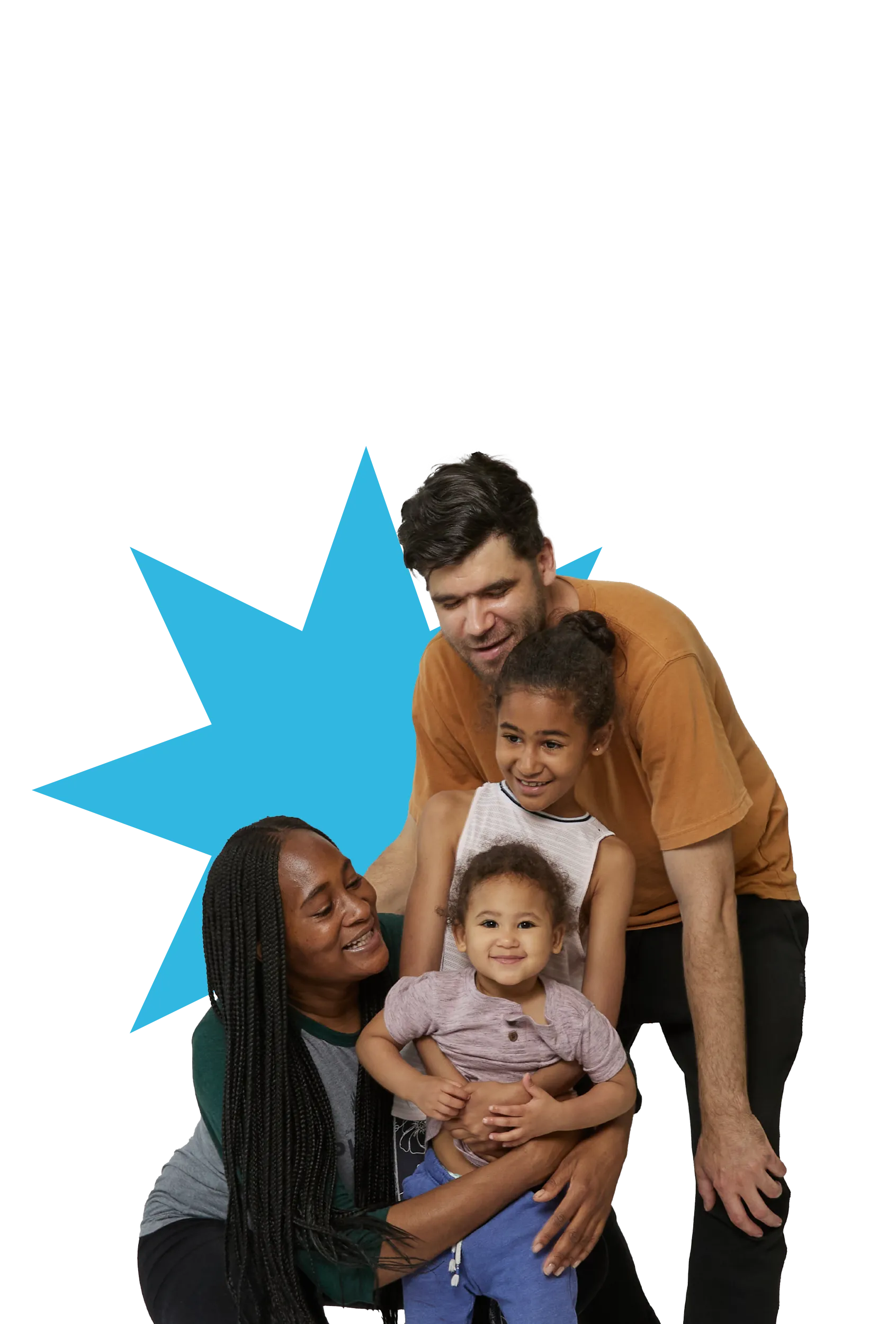

Millions of Americans are forced into impossible choices because of a patchwork system of policies that doesn’t create sustainable solutions, and broader cultural norms that make care invisible and undervalued. But it doesn’t have to be that way – we deserve comprehensive systems that allow us to make the best choices for our lives when it comes to our care. And we deserve a country where we value care as the most fundamental, human thing we do.
including 32.5 sandwich generation caregivers.

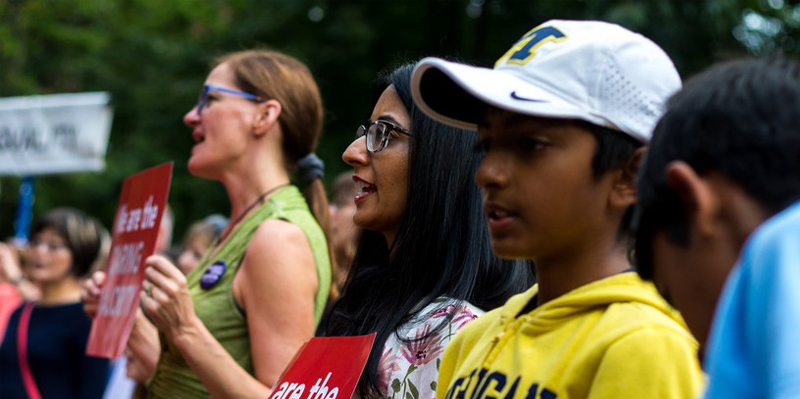
If we act together, we can create lasting change and ensure that none of us get left behind. We are building a united, welcoming movement to get everyone the care we all need and deserve, from child care to aging and disability care to better support for caregivers and care workers.